
Why Quality Consistency Matters in Cat Litter Manufacturing
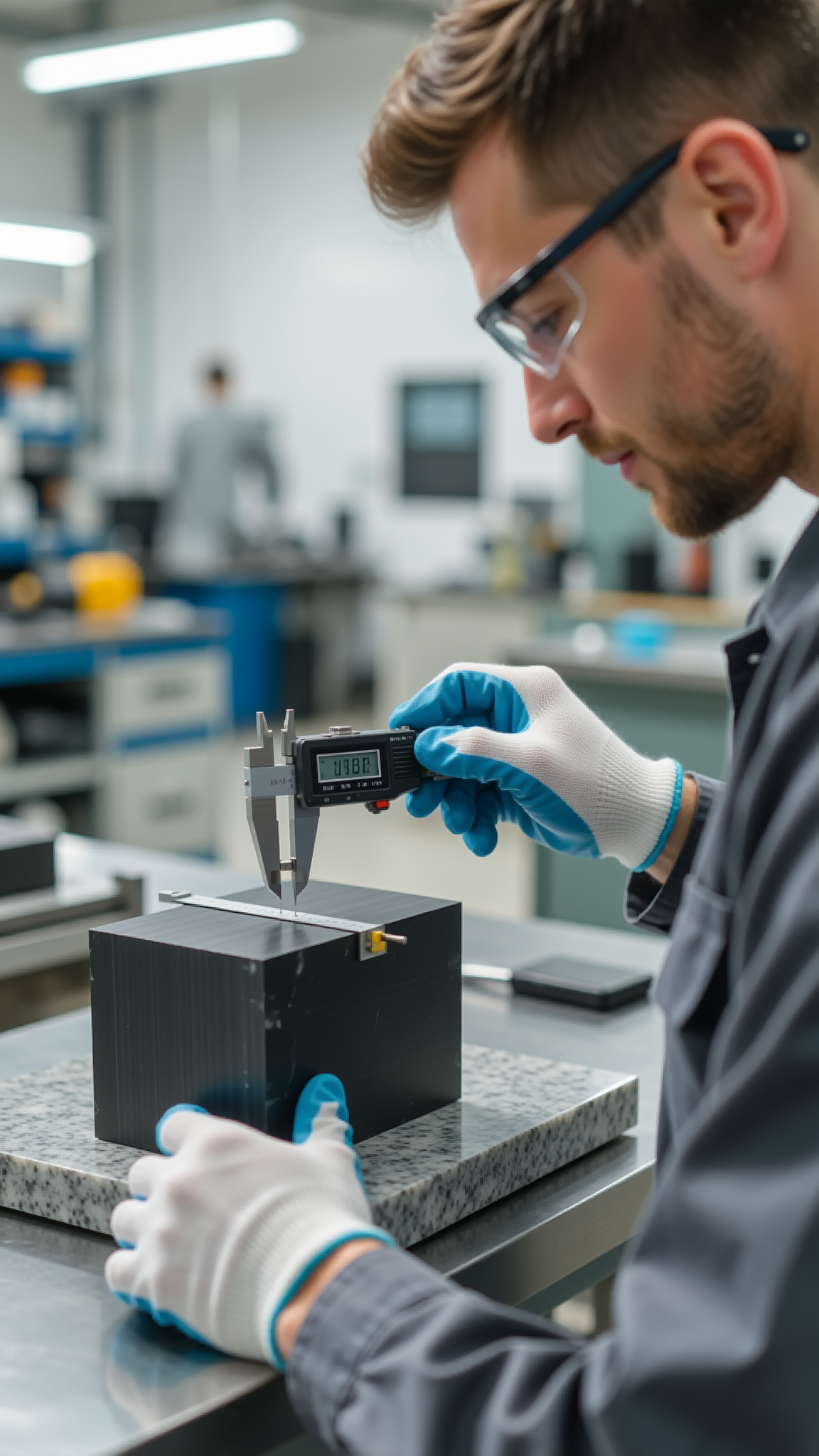
Exploring the importance of batch-to-batch quality consistency in cat litter production and how it builds long-term trust with customers.
Picture this: a pet owner in Berlin buys a bag of premium cat litter from their local retailer. It performs beautifully — excellent clumping, minimal dust, and reliable odor control. Two months later, they purchase the same brand, same product line, and open the bag to find noticeably weaker clumps and a cloud of fine particles. The experience is frustrating, and the brand loses a loyal customer overnight. This scenario plays out countless times across the global pet care market, and it all traces back to one fundamental issue: quality inconsistency.
For cat litter manufacturers, delivering consistent quality is not just a matter of pride — it is the foundation of customer trust, brand reputation, and long-term commercial success. When a product performs reliably every single time a customer reaches for it, that reliability becomes the strongest marketing message a brand can have.
The True Cost of Inconsistency
Quality inconsistency in cat litter manufacturing can stem from numerous sources: variations in raw material sourcing, fluctuations in production parameters, inadequate process monitoring, or insufficient final inspection. The consequences ripple far beyond a single dissatisfied customer.
When batches differ in performance, retailers begin to lose confidence in the product. They may reduce shelf space, decline reorders, or switch to competing brands that demonstrate more reliable quality. For manufacturers exporting to markets across Europe, North America, Southeast Asia, the Middle East, and Australia — where consumers have abundant choices and high expectations — even a single inconsistent shipment can damage relationships built over years.
Beyond commercial impact, inconsistency creates operational waste. Off-spec batches require rework or disposal, driving up costs and reducing efficiency. In an industry where production volumes can reach tens of thousands of tons annually, even small percentage variations in quality translate into significant material and financial losses.
Building a Robust Quality Control System
Achieving consistent quality requires a systematic approach that spans every stage of production. At its core, a robust quality control framework operates on three interconnected levels: incoming material inspection, in-process monitoring, and finished product testing.

Incoming material inspection ensures that every batch of raw bentonite, tofu base, silica gel, or other materials meets defined specifications before entering the production line. Raw material properties — such as particle size distribution, moisture content, and mineral composition — directly influence the performance characteristics of the final product. By screening materials at the gate, manufacturers prevent variability from propagating through the entire production process.
In-process monitoring tracks critical parameters during manufacturing: mixing ratios, granulation conditions, drying temperatures, and screening accuracy. Modern production facilities implement real-time monitoring systems that alert operators the moment a parameter drifts outside its target range, enabling immediate correction before off-spec material is produced.
Testing Standards That Protect the Customer
Finished product testing is the final safeguard. Key performance indicators for cat litter include dust generation levels, clumping strength and speed, water absorption capacity, odor control effectiveness, and granule integrity. Each of these metrics must be measured against defined standards before a batch is approved for packaging and shipment.
International quality management standards such as ISO 9001 provide a structured framework for maintaining consistency. Certification to ISO 9001 means that a manufacturer has documented processes, defined responsibilities, traceable records, and a commitment to continuous improvement. It is not merely a certificate on the wall — it is an operational discipline that ensures every batch is produced, monitored, and verified under the same controlled conditions.
For manufacturers serving both domestic and international markets, adherence to recognized quality standards becomes a competitive differentiator. Importers and distributors in regulated markets increasingly require evidence of systematic quality management as a condition of partnership. Manufacturers who can demonstrate certified quality systems gain access to premium market segments and build stronger, more resilient supply chain relationships.
The Long-Term Payoff
Quality consistency is not a cost center — it is a value generator. Manufacturers who invest in rigorous quality systems reap rewards through customer retention, reduced waste, fewer complaints, and stronger brand positioning. In the competitive global cat litter market, where buyers have access to products from dozens of producing countries, consistency is what separates trusted suppliers from interchangeable commodity vendors.
Ultimately, every bag of cat litter that reaches a consumer's home carries the manufacturer's reputation with it. When that bag performs exactly as expected — every time — it reinforces the customer's decision to choose that brand again. That cycle of trust, built one consistent batch at a time, is the most durable competitive advantage a manufacturer can possess.